Telling hard cement stucco, lime plaster and EIFS apart
Property owners across the 518 call almost every textured plaster facade stucco, yet three very different wall assemblies show up between Troy, Schenectady, Amsterdam, Saratoga Springs and Lake George. Tap the surface with your knuckles first. If the wall sounds hollow and flexes slightly under thumb pressure, it is foam-board EIFS rather than masonry plaster. If it rings solid like stone or concrete, you have either traditional Portland cement stucco or, on pre-war residences and historic downtown buildings, softer lime-rich plaster applied over wood lath, brick or structural clay tile.
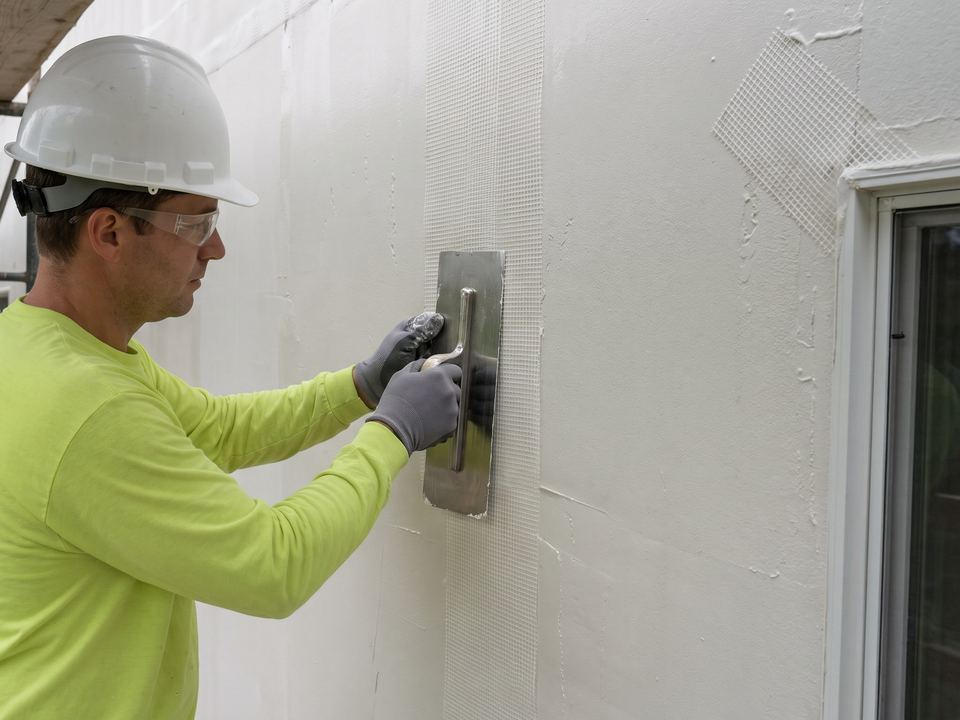
Matching the chemistry matters before a trowel touches the elevation. Smearing dense, rigid cement patch mix onto soft historic lime plaster traps moisture and pops the surrounding surface off during the next hard freeze. Conversely, putting acrylic EIFS base coat directly onto crumbling, unkeyed cement lath without rebuilding the mortar thickness leaves a sunken weak spot. Our field team brings about 19 years of hands-on experience in EIFS, cement stucco, older lime plaster, masonry and coatings, so the patch mix fits what is actually on your building.
Why stucco cracks and spalls in 518 winters
Hard-coat stucco sheds rain well, but it is rigid and porous compared with flexible synthetic finishes. Along the Mohawk and Hudson valleys and north toward Queensbury and Lake George, heavy autumn rain followed by rapid overnight freezes punishes weak details:
- Missing weep screeds at the bottom edge: Stucco carried straight into soil, mulch beds or concrete walks wicks ground moisture upward, rusting the metal lath from behind until large sheets bulge and shell off.
- Uncontrolled shrinkage and framing movement: Broad elevations built without expansion or control joints develop stair-step and diagonal stress cracks at window headers, sill corners and floor lines.
- Failed roof-to-wall and chimney flashings: Water sneaking behind the scratch coat freezes, expands and shears the finish coat loose from the brown coat.
- Non-breathable paint films: Ordinary exterior house paint can trap vapor migrating outward from heated interiors, creating water blisters that rupture in late winter.
Scratch, brown and finish: how we build a lasting patch
Sound hairline cracks in solid cement stucco can often be routed, detailed with elastomeric crack filler and blended under a breathable coating. Once a section sounds hollow or drummy when tapped with a mason's hammer, the bond between coats or to the lath has broken. We saw-cut back to firm, dry plaster, inspect the weather-resistive barrier and sheathing, splice in fresh galvanized or stainless metal lath with corrosion-resistant accessories, and install proper casing beads or weep screeds at terminations.
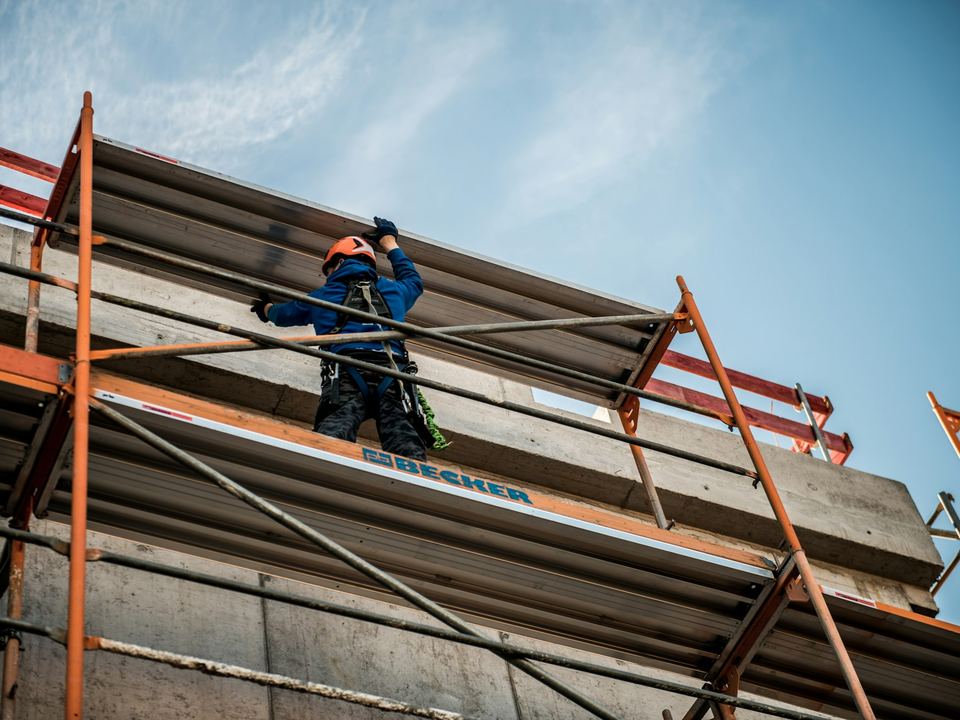
For deeper repairs and new three-coat stucco work, our own crews apply a keyed scratch coat, rod a plumb brown coat to match the plane of the existing wall, allow proper hydration curing, and float a sand, swirl, dash or smooth finish coat textured to blend with surrounding elevations. Small localized stucco patches often run a few hundred to a couple of thousand dollars, while multi-story rebuilds that require our supported scaffolding or substrate framing replacement depend on how much delaminated plaster has to come off.
Elastomeric and breathable coatings over cured stucco
Even a tight mechanical texture match will show a color difference against 20-year-old weathered cement. After patches cure, many owners in Saratoga Springs, Clifton Park and Glens Falls pair structural repairs with a full elevation coat of vapor-permeable mineral or breathable elastomeric wall coating—bridging micro-cracks while still letting the masonry assembly dry outward. All wet stucco mortar and finish coatings need temperatures around 40 °F and rising with no freezing for 24 hours, though we inspect walls and write free photo estimates year-round. If you are unsure what cladding you have, book a paid exterior wall inspection or text photos to (518) 888-7851.